
Best No Code & Low Code products (18+)
Discover 18+ best no code & low code products. Compare features, pricing, and reviews. Free and paid options available.
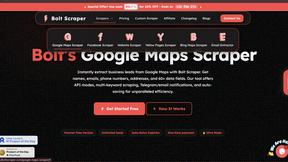
Bolt Scraper
Bolt Scraper helps businesses scale by extracting high-quality leads from Google Maps, Facebook, and more with one-time payment tools.
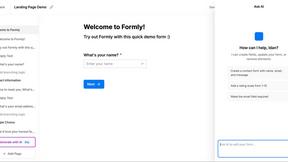
Formly
Formly lets you create, publish, and analyze forms with AI through chat or a visual editor to get answers fast.
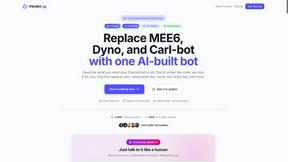
VibeBot.gg
VibeBot lets you create, customize, and launch a custom AI Discord bot in seconds with no coding needed.
No Code Website Builder
Effortlessly create stunning websites and apps in days with our premium no-code templates—no coding skills required.
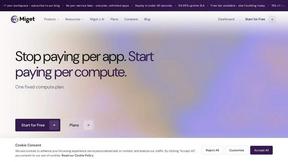
Miget
Miget offers one flat-rate plan to deploy unlimited apps and services with no per-component fees.

FilexHost
Effortlessly host and share files in seconds with drag-and-drop simplicity and secure, shareable links.
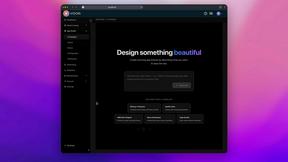
Vidori
Vidori empowers creators to launch branded streaming apps on web and mobile without coding or revenue sharing.

TemplateFox
Effortlessly design dynamic PDF templates and automate generation with TemplateFox's intuitive no-code API solutions.
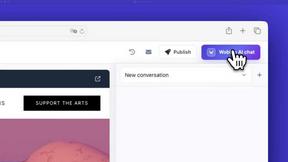
Wobbio
Wobbio is the AI website builder that instantly creates stunning, responsive sites from your description.
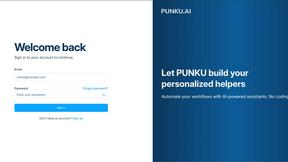
PUNKU.AI
Build and manage custom AI automations for your business using only plain English instructions.
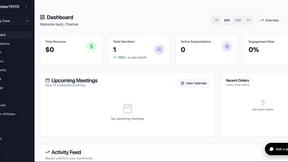
MemberYOYO
MemberYOYO is a no-code platform to build and scale a recurring membership business.
Affiliate Manager US
Scale your affiliate program across 59 platforms with AI powered tracking and management.
Karolium
Build AI enterprise apps ten times faster with our zero-code platform.
Stunning
Stunning empowers you to effortlessly create beautiful full-stack web apps from just your ideas, no coding needed.

Dreamflow
Dreamflow empowers you to instantly transform ideas into production-ready mobile apps using AI and visual design tools.
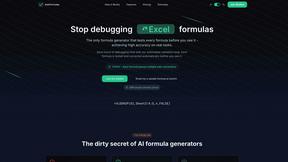
AskFormulas
AskFormulas generates and validates Excel and Google Sheets formulas so they work perfectly every time.
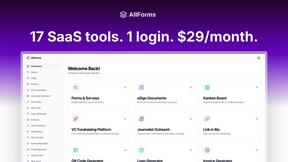
AllForms
AllForms replaces 17 expensive SaaS tools for just $29 a month.
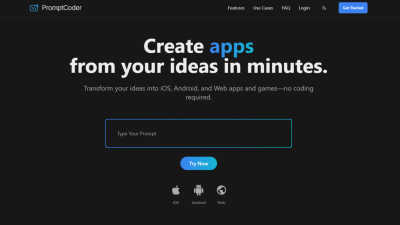
Prompt Coder
Prompt Coder swiftly turns your app and game ideas into cross-platform solutions using advanced AI technology.
Popular Alternatives in No Code & Low Code
About No Code & Low Code products
No Code and Low Code tools enable users to build applications, websites, workflows, and automations without writing traditional code or with minimal programming. This category includes visual app builders, website creators, workflow automation platforms, database tools, and form builders that democratize software development.
Whether you are a business user building internal tools, a founder prototyping an MVP, a marketer creating landing pages, or a team automating workflows, these platforms provide the building blocks to create functional software through visual interfaces and pre-built components.
Compare no code and low code tools by their building capabilities, customization depth, integration options, scalability, and pricing to find the right platform for creating your next application or workflow without traditional development.
FAQs for No Code & Low Code
What types of no-code tools are listed?
This category includes visual app builders, website and landing page creators, workflow automation platforms, database and spreadsheet tools, form builders, chatbot creators, and internal tool builders that work without coding.
What is the difference between no-code and low-code?
No-code tools allow building entirely through visual interfaces with zero coding. Low-code tools primarily use visual building but allow custom code for advanced functionality. Low-code platforms offer more flexibility while no-code tools prioritize accessibility.
Can no-code tools build production-ready apps?
Yes. Modern no-code platforms support user authentication, database management, API integrations, responsive design, and deployment features that make it possible to build and launch production applications used by real customers.
Are no-code tools suitable for businesses?
Yes. Many businesses use no-code tools for internal tools, customer-facing applications, marketing websites, and workflow automation. Enterprise plans offer team collaboration, security features, and scalability for business-critical applications.
How do no-code tools handle scalability?
Modern no-code platforms handle scaling through cloud infrastructure, automatic performance optimization, and tiered plans that accommodate growing traffic and data. For very high-scale applications, evaluate platform limits and consider hybrid approaches.
Can I migrate away from a no-code platform?
Migration options vary by platform. Some offer code export, API access, and data export features. Others are more proprietary. Consider vendor lock-in risks and data portability when choosing a no-code platform for important projects.