Frizzle
Frizzle turns photos of handwritten math work into real-time analytics, giving teachers granular insights to scale every student’s next step.
Visit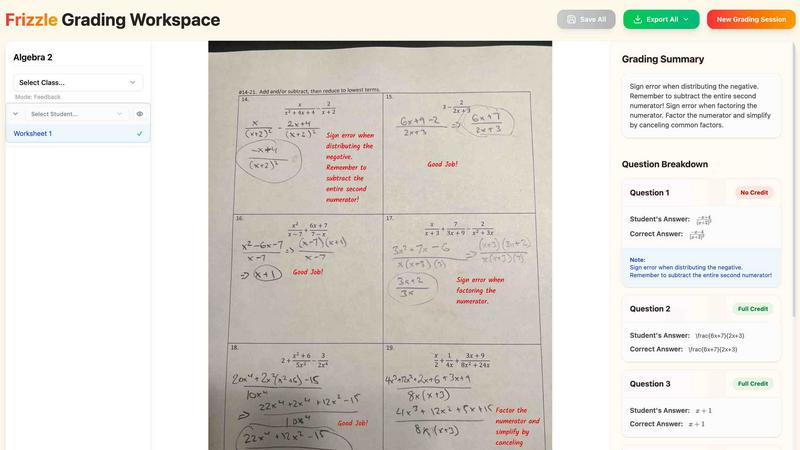
About Frizzle
Frizzle is an operating system for math classrooms that transforms how teachers understand and respond to student learning. It uses advanced computer vision and large language models to read and analyze handwritten student work from paper, achieving 97% accuracy in grading. Unlike traditional grading tools that only check final answers, Frizzle parses every step of a student's solution path, recognizing multiple approaches and tagging specific misconceptions. The platform serves K-12 math teachers, instructional coaches, and school districts who want real-time, standards-level formative analytics without changing their existing workflows. Students continue writing on paper with pencils, teachers photograph stacks of work with their phone, document camera, or copier, and within minutes Frizzle returns actionable data. The system includes a confidence-interval feature that flags uncertain grades for human review, ensuring reliability. Teachers reclaim 10-15 hours per week previously spent on manual grading. Coaches gain specific standards-level data for targeted conversations instead of relying on generic observations. Districts reduce screen time for students while maintaining the granular classroom data needed for informed decisions. Frizzle is already live in over 30 schools and districts, including a college math pilot at Vanderbilt University and Arizona State University. Over 140,000 problems have been graded, with 2,400 teachers actively using the platform. The system is fully FERPA and COPPA compliant, with SOC 2 Type II annual audits, ensuring student data never trains the model and remains completely secure.
Features of Frizzle
Handwriting Recognition and Step-Level Analysis
Frizzle reads any handwriting style including print, cursive, scribbled, and sideways text. It does not just mark answers right or wrong. The system understands every step of a student's work, from the initial equation setup through the final solution. It recognizes multiple valid solution paths simultaneously, giving credit to three students who solved the same problem three different ways. The step-level feedback pinpoints exactly where thinking went off track, not just that a final answer was incorrect.
Misconception Mapping and Prerequisite Tracing
The platform has been trained on 1.4 million pages of real K-12 student work, enabling it to identify 147 named misconceptions across all math standards. Frizzle traces prerequisites, meaning it can recognize when a seventh-grade error actually stems from a fourth-grade knowledge gap. Every flag links back to the exact stroke on the student's page, showing teachers precisely where the misconception occurred. This granular visibility allows for targeted intervention at the root cause of student struggles.
Live Class and District Dashboards
Teachers see live dashboards updated in real time showing who is stuck, which mistakes are spreading through the class, and what to teach tomorrow. For schools and districts, Frizzle aggregates anonymized signals across periods, grades, and entire buildings. Coaches and administrators can see where to invest resources, what concepts need reteaching, and which curricula are actually working. Equity dashboards spot performance gaps the moment they emerge, enabling proactive support.
Standards Alignment and Curriculum Agnostic Design
Frizzle aligns with Common Core State Standards, TEKS, and over 30 state frameworks. It works seamlessly with any curriculum including Eureka, Illustrative Mathematics, Saxon, and others. The system automatically maps student work to specific standards, providing granular analytics on which standards each class and student has mastered, which are developing, and which are at risk. This replaces waiting for spring assessments with immediate, actionable data.
Use Cases of Frizzle
Daily Grading and Feedback for Individual Teachers
A middle school math teacher takes a photograph of 28 quizzes from her third period class using her phone. Within approximately eight minutes, Frizzle reads every paper, grades each problem, identifies three students who made sign errors, and flags two papers for human review due to low confidence. The teacher sees her class dashboard before the next bell rings, allowing her to plan tomorrow's warm-up activity around the specific misconceptions that emerged today.
Standards-Level Coaching and Professional Development
An instructional coach reviews the aggregated data from all seventh-grade math classes across the district. She notices that 68% of students have mastered proportional relationships, but only 24% are developing understanding of linear equations. She schedules a targeted coaching session with the teacher whose class shows the highest number of distributive property misconceptions. The conversation is specific and data-driven, focusing on actual student work rather than general observations.
School-Wide Equity Monitoring and Intervention
A principal reviews the equity dashboard and spots a performance gap emerging in one demographic group within the algebra classes. The data shows these students are struggling with prerequisite skills from sixth grade. The school immediately implements a targeted support program, pulling small groups for reteaching. Within weeks, the dashboard shows the gap closing as students master the foundational concepts they were missing.
District-Level Curriculum Evaluation and Resource Allocation
A district math coordinator uses Frizzle to evaluate whether the new Illustrative Mathematics curriculum is improving student outcomes compared to the previous Eureka adoption. The platform provides data across dozens of schools showing mastery rates by standard, misconception frequencies, and engagement trends. This evidence-based approach replaces anecdotal feedback with hard data, enabling smarter decisions about curriculum investments and professional development spending.
Frequently Asked Questions
How does Frizzle handle different handwriting styles and messy work?
Frizzle was built on 1.4 million pages of real K-12 student work, which includes print, cursive, scribbled, sideways, and partially erased writing. The computer vision model has been trained on the messy, partial, and beautiful ways real students arrive at answers. It recognizes multiple solution paths and gives credit for valid approaches even when the handwriting is difficult to read. The system includes a confidence-interval mechanism that flags any paper where the model is uncertain, sending it for human review rather than risking an incorrect grade.
Do students need tablets, logins, or to change how they work?
No. Students continue writing on paper with pencils exactly as they always have. There is no new workflow for students, no tablets to distribute, no student logins to manage, and no migration to a digital platform. Frizzle slots into the way teachers already teach. The only change is that the teacher snaps a photograph of the stack of papers using their phone, document camera, or copier. The system automatically links every page to the right student.
How does Frizzle protect student privacy and data security?
Student work never trains the Frizzle model. Data remains completely owned by the school or district. The platform is fully FERPA and COPPA compliant, and undergoes SOC 2 Type II audits annually. All data is encrypted with AES-256 at rest and TLS in transit. The system is built from the ground up with privacy as a foundation, not an afterthought. Schools and districts maintain full control over their data at all times.
What standards and curricula does Frizzle support?
Frizzle supports Common Core State Standards, TEKS, and over 30 additional state frameworks. The platform is curriculum agnostic, meaning it works with Eureka, Illustrative Mathematics, Saxon, and any other curriculum a school uses. The system automatically maps student work to specific standards, providing granular analytics on mastery levels. Teachers and administrators see exactly which standards each class and each student has mastered, which are developing, and which are at risk, without waiting for end-of-year assessments.
Similar to Frizzle
PythonExercise.com
An interactive coding platform featuring bite-sized Python exercises designed to build real coding skills through hands-on practice.
PracticeSIEM
PracticeSIEM.com is an interactive, browser-based hands-on cybersecurity learning platform designed for Security Operations Center (SOC) analysts.
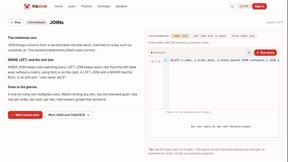
SQLCrab
SQLCrab (sqlcrab.com) is an interactive, browser-based SQL learning platform that lets you practice database queries directly in your browser.
Wordy
Learn languages with real movie and TV show clips.
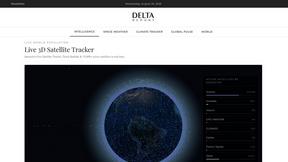
Delta Report
Free, Live 3D Satellite, Space Weather & Climate Tracker in real time on an interactive globe alongside articles and insights.

The French Corner
Learn French through visual stories told by a native speaker. Words you meet come back on their own, right before you'd forget them.
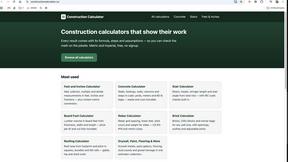
Construction Calculator
Free construction calculators with transparent formulas, steps, assumptions, and metric or imperial units.