
StatPecker vs Video Database
Side-by-side comparison to help you choose the right product.

StatPecker
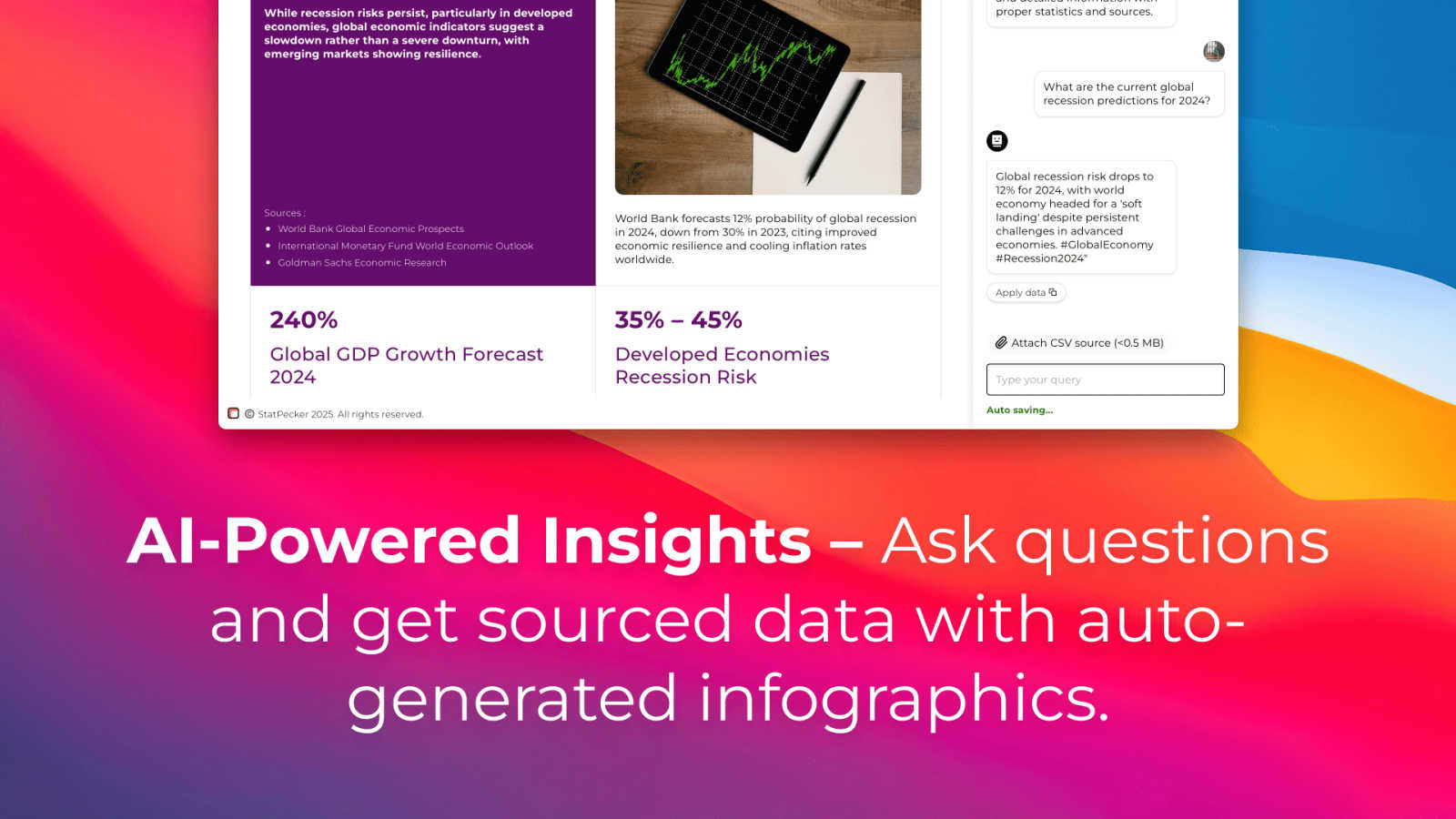
StatPecker turns your data into instant, shareable insights and stunning visuals for impactful storytelling.
Last updated: March 1, 2026

Video Database
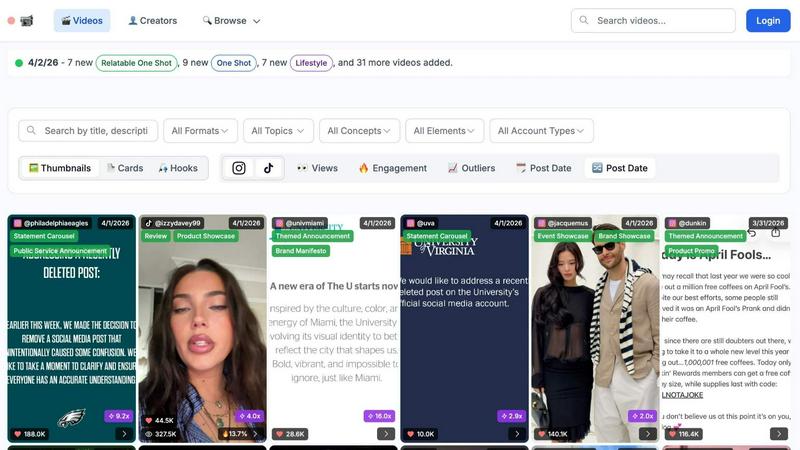
Monitors and organizes high-value creator videos.
Visual Comparison
StatPecker
Video Database
Overview
About StatPecker
StatPecker is an AI-powered data visualization engine designed to scale the impact of data storytelling for modern businesses and creators. It transforms raw data and complex datasets into stunning, publication-ready infographics and charts in seconds, eliminating the traditional bottlenecks of manual design and cumbersome reporting tools. Built for a growth-focused audience including content creators, data analysts, marketers, and educators, StatPecker empowers users to make data-driven decisions and communicate insights with unparalleled clarity and visual appeal. Its core value proposition lies in automating the entire visualization workflow—from AI-driven insight extraction to seamless embedding—dramatically reducing time-to-publish and operational costs. With innovative features like the on-device Local SQL Agent for private CSV analysis, StatPecker provides both instant, credible answers from validated sources and secure, private data exploration. It's more than a tool; it's a strategic asset for anyone looking to leverage data as a competitive edge, enhance audience engagement, and tell compelling stories that drive action and growth.
About Video Database
The Video Database began as an internal solution to a common frustration: as creators and content strategists we need to "study the best," but this typically means endless scrolling through social platforms riding the algo waves - good or bad. Nobody needs more of that.
Cut30, our short-form video bootcamp, maintains hundreds of hand-curated reference videos throughout its curriculum—valuable examples embedded within tutorials, exercises, and lessons. However, these references were scattered across the platform without centralized organization or analysis. What started as simply organizing and categorizing those videos, was a slippery slope.